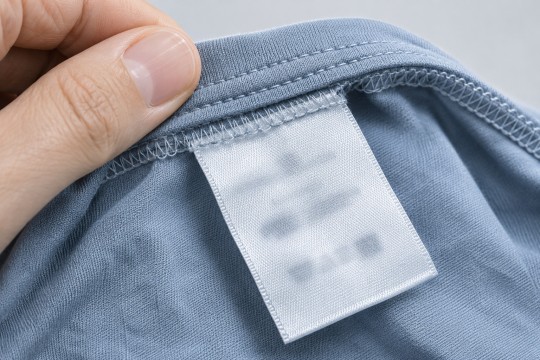
Start with the outline. A tub tells you about washing. A triangle tells you about bleach. A square tells you about drying, an iron about pressing, and a plain circle about professional care. Read the details inside and beneath each symbol before choosing a setting.
Read washing instructions first
Look at the whole care label and any accompanying words. A hand in the tub generally means hand wash. A crossed-out tub rules out home washing. A number in the tub on an international label identifies a maximum wash temperature in degrees Celsius. Other labels use dots. The dots and any bars are part of the instruction, so match them to the chart for that label system.
A bar beneath the symbol calls for gentler mechanical action in common labeling systems. A second bar calls for a still gentler process. Washer names vary. Check the appliance guide when a washer offers delicate, wool, and hand-wash presets and you need to know how each treats the load.
Read the triangle before opening the bleach
A crossed triangle means skip bleach. A striped triangle commonly limits you to non-chlorine bleach. A plain triangle can permit bleach in common systems. The bottle instructions still need to allow use on your garment’s material and color. The product directions determine the dose, method, and contact time.
Choose the right drying method
A circle inside the square is a tumble-drying symbol. Check the dots for the heat level and look for a cross. A cross over that symbol rules out tumble drying. It can leave room for air drying if the garment instructions permit it. A square with a horizontal line commonly indicates flat drying. Look for additional markings, such as a shade instruction.
On a damp wool sweater, weight matters. When the label permits flat drying, support the whole garment and follow the flat-drying guide. A wet knit over a hanger can pull out of shape.
Read pressing and professional-care marks separately
Follow the iron mark and the written directions. Check whether the label limits heat or steam before pressing. A circle with a letter conveys professional cleaning information. If you use a cleaner, leave the label attached and describe any stains or products you already applied.
What if the label is missing?
Look up care instructions for the exact garment and check at a seam for a second label. Fabric content is a clue. A lining, adhesive, trim, or unstable dye may have its own care limits. For a structured jacket, delicate silk, or an irreplaceable item, ask a garment-care professional before trying a wet treatment.
References: FTC Care Labeling Rule and Woolmark symbol guide.